Most businesses run on a steady rhythm.
You plan campaigns. You post content. You sell products. And for most of the year, customer behavior stays fairly predictable.
Then a holiday rolls around. Suddenly, people think differently. They feel different. They spend differently. People start buying gifts and planning gatherings to celebrate, share, and treat others. And this year, shoppers are heading into the holidays with their spending plans intact.
This is where festive marketing is useful. It’s about recognizing that shift and responding to it. It uses holidays and celebrations to frame promotions, messaging, visuals, and stories in a way that feels timely and relevant.
If you’ve ever wondered how to market around holidays without sounding forced or salesy, this guide is for you!
What Is Festive Marketing?
Festive marketing is a marketing strategy that uses holidays, festivals, or seasonal celebrations to engage customers and encourage sales.
Instead of promoting products in the same way all year, festive marketing adjusts tone, visuals, and offers to match the season. The goal is not only to sell, but also to feel relevant and timely. When done well, it feels natural rather than forced.
You see festive marketing everywhere, such as:
- Supermarkets decorate stores for Christmas months ahead
- A Christmas-themed sale
- A New Year's message about fresh starts
- A limited-edition product for a local festival
- A holiday email that focuses on gratitude rather than discounts
- Seasonal campaigns with the help of a logo maker, offering festive-themed logos or special design templates for businesses
Holiday Ribbon Wreath by Design.com
Christmas Holiday Reindeer by BrandCrowd

Holiday Christmas Tree by Design.com

Sparkle Firework Festival by BrandCrowd
Philippine Festival Ornament by Design.com
Festive marketing matters because consumer behavior changes during these times. People are more likely to shop for others, try new brands, and make emotional buying decisions. For businesses, this presents an opportunity to stand out and connect in a more meaningful way.
Core Elements of Festive Marketing
Strong festive marketing campaigns usually share a few key elements. These elements work together to create a clear and consistent experience.
Seasonal timing and relevance
Timing is the foundation of festive marketing. A campaign needs to align with the proper holiday and launch early enough to make an impact. If it comes too late, people may already have made their buying decisions.
Relevance is just as important. Not every holiday suits every business. Brands need to select celebrations that align with their audience and offer.
Festive visual identity
Visual changes help people recognize a festive campaign quickly. Colors, images, and subtle design tweaks can signal the season without altering the brand's identity.
Many businesses use seasonal banners, festive packaging, or themed social media graphics, like festive Facebook posts. These changes are usually temporary and return to normal once the season ends.
Emotional storytelling
Festive periods are emotional. People think about family, traditions, and shared moments. Effective festive marketing taps into these feelings through simple, relatable stories.
Brand storytelling does not need to be complex. A short message about gratitude or togetherness can be enough to build a connection.
Limited-time offers
Festive seasons often include special offers. These may be discounts, bundles, or exclusive products. The key is that they feel tied to the season.
Limited-time offers are effective because they align with how people typically think during holidays. They expect something special and temporary, and a well-designed flyer can help communicate that clearly.
Consistent messaging across channels
Festive marketing is most effective when it is consistent. The same theme should be consistent across the website, emails, social media, and ads.
Consistency builds trust and makes the campaign easier to remember. It also helps customers recognise the brand across different touchpoints.
Types of Festive Marketing Campaigns
There are many ways businesses use festive marketing. The approach depends on the product, the audience, and the holiday being celebrated. Below are common campaign types seen across industries, along with real-world examples.
Holiday gift campaigns
Holiday gift campaigns are designed to make buying presents easier. Many shoppers feel stressed during festive seasons because they do not know what to buy. Gift-focused campaigns address this issue by providing clear suggestions.
Brands often use gift guides, curated collections, or ready-made gift sets. These campaigns reduce decision fatigue, enabling customers to act more quickly. They also encourage higher spending by grouping items.
Example:
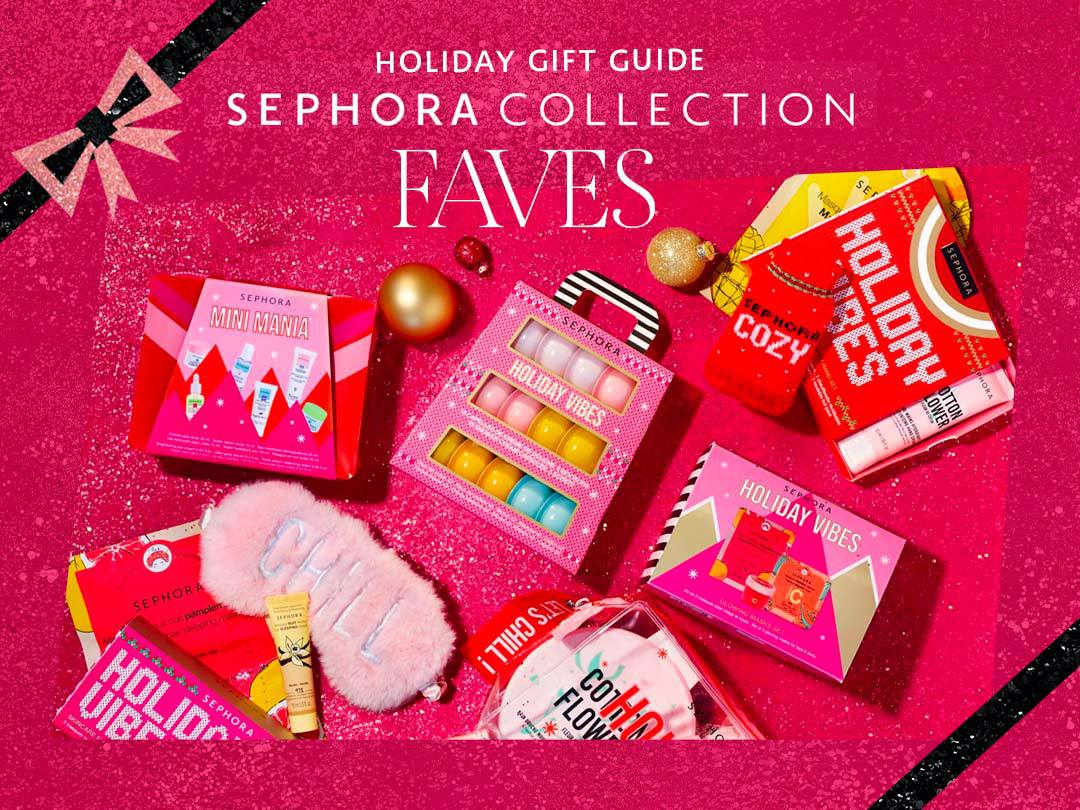
Each year, Sephora releases holiday gift sets at different price points. These sets are clearly labeled for other needs, such as skincare, makeup, or self-care.
Seasonal product launches
Seasonal product launches focus on items that are only available for a limited time. The limited availability creates excitement and a sense of urgency. Customers feel motivated to buy before the product is sold out.
These launches often match the mood or flavors of the season. They give brands a chance to experiment without changing their permanent range.
Example:

A strong example is Starbucks and its holiday drinks. The Christmas beverages return annually for a limited time. Customers expect them and actively wait for their release. The drinks become part of the festive routine.
Festive brand visual updates
Some brands choose to refresh their visual identity during festive periods. These changes are temporary and subtle. The core brand remains the same, but seasonal elements are added.
This may include festive colors, icons, or illustrations. The goal is to signal celebration without confusing customers.
Example:
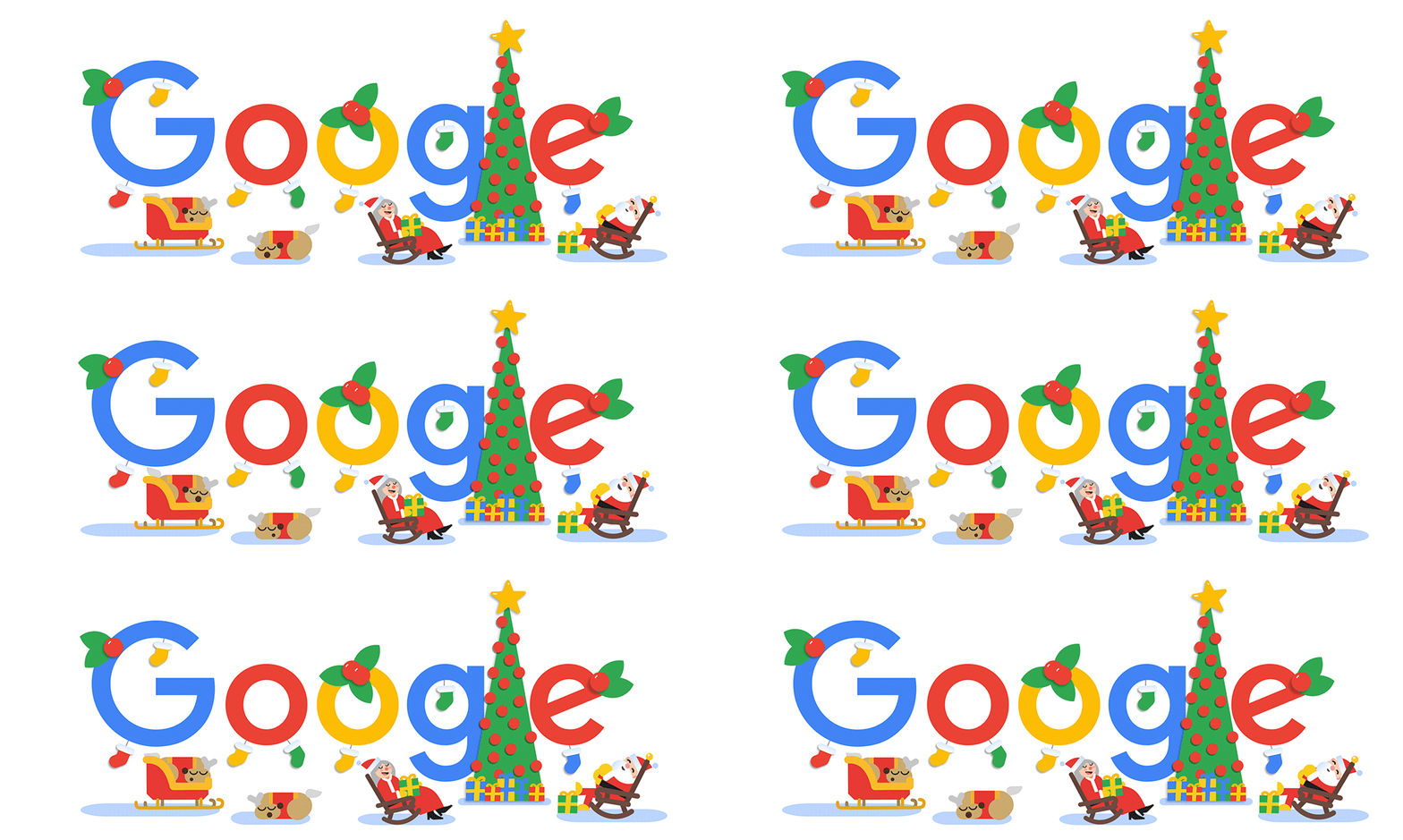
During major holidays, Google updates its homepage doodle to reflect the occasion. These designs are simple, relevant, and short-lived. They add warmth while keeping the brand recognisable.
Story-driven brand campaigns
Story-driven campaigns prioritize emotion over direct selling. These campaigns often reflect values such as family, kindness, or togetherness. Products appear in the background or not at all.
These campaigns are effective because they resonate with how people feel during festive seasons. They aim to build long-term brand trust rather than quick sales.
Example:

A famous example is John Lewis' Christmas adverts in the UK. Each year, the brand releases a festive advert centered on a heartfelt story. The ads rarely focus on prices or products. Instead, they focus on emotion, which keeps people talking long after the season.
Customer appreciation campaigns
The festive season is an ideal time to express gratitude to customers. Appreciation campaigns focus on loyalty rather than acquisition, and if you need help scaling these initiatives, a growthscribe marketing agency can provide the conversion-focused strategies required to reward existing customers for their support.
These campaigns may include exclusive discounts, thank you messages, or early access to festive offers. The tone is often warm and personal.
Example:
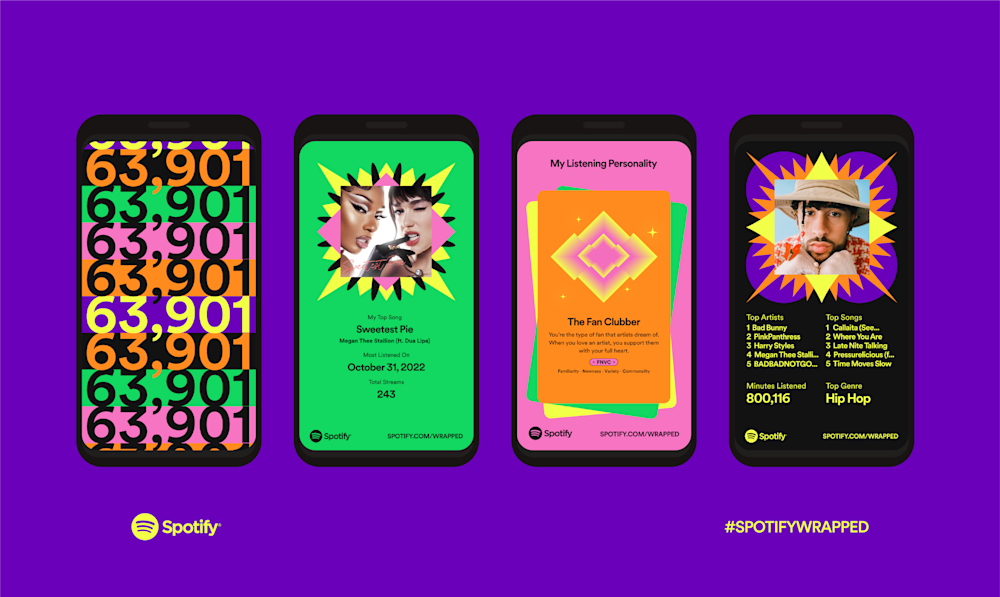
An example is Spotify Wrapped, released at the end of each year. While not tied to a traditional holiday, it has a festive and celebratory feel. Spotify thanks users by showing their listening habits. It makes customers feel seen and valued.
Social media engagement campaigns
Festive periods are marked by high activity on social media. People share photos, stories, and celebrations. Brands tap into this behavior through interactive campaigns.
These may include contests, hashtag challenges, or user-generated content. The focus is on participation rather than selling.
Example:
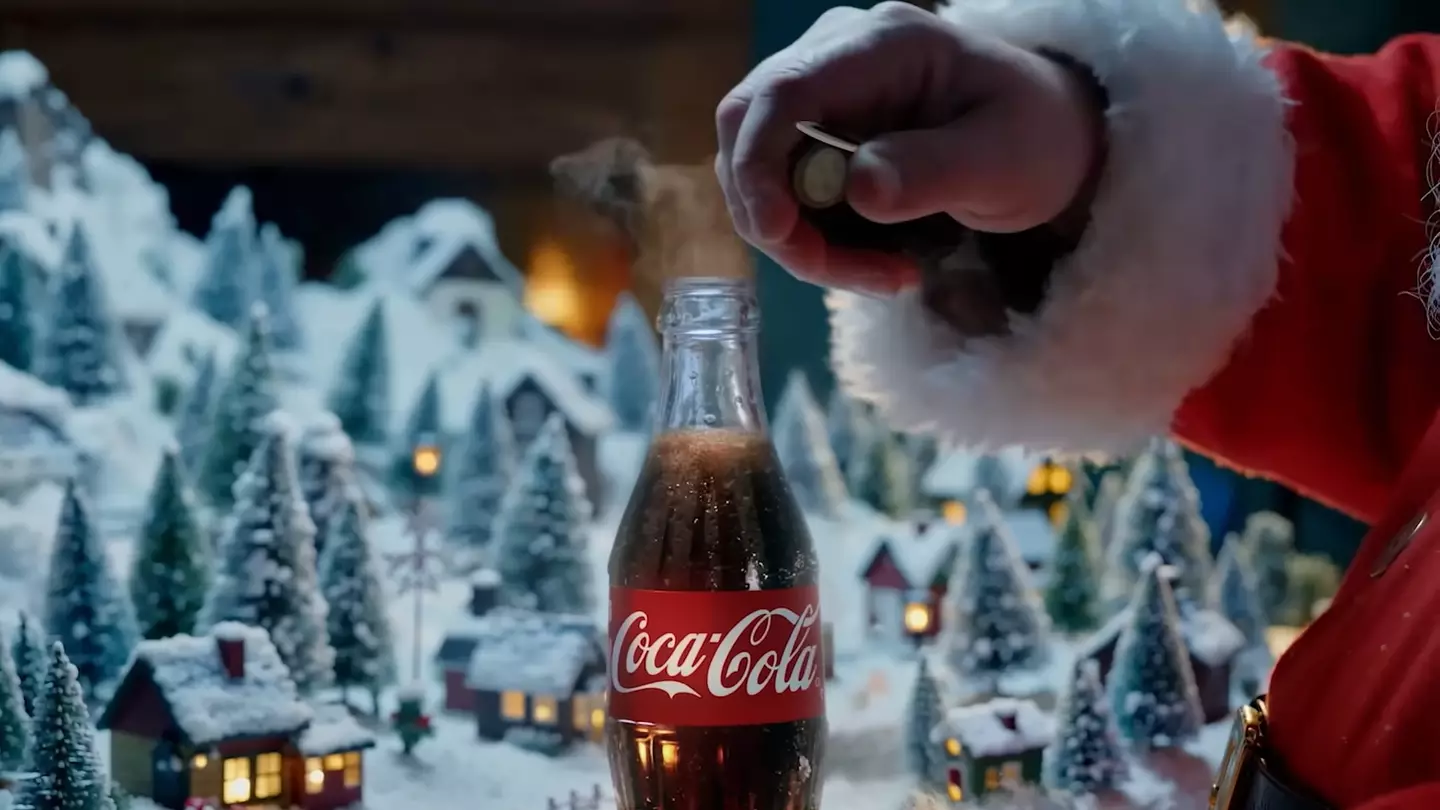
A well-known example is Coca-Cola during Christmas. The brand encourages people to share festive moments using branded hashtags. Coca-Cola’s holiday visuals and messages spread widely because people enjoy sharing them as part of their celebrations.
Bundles and special packages
Bundles combine multiple products or services into one offer. During festive seasons, bundles are often positioned as gifts. They save customers time and feel like a better value.
Bundles work well because they simplify the shopping process. Customers do not need to pick individual items. Everything is already grouped.
Example:

A strong example is Apple during the holiday season. Apple often promotes product bundles or gift ideas for students, families, or creatives. The messaging emphasizes giving and sharing, rather than just specifications.
How Small Businesses Can Start Doing Festive Marketing Today
Festive marketing does not need to be complex. Small businesses can start with simple steps.
Step 1: Identify relevant holidays. Start by listing holidays that matter to your audience. Think about cultural, local, and global events. Focus on one or two to avoid spreading resources too thin.
Step 2: Decide on your festive offer. Choose what you want to promote. It could be a discount, a bundle, or an exceptional service. Ensure the offer aligns with the season and your business objectives.
Step 3: Update visuals temporarily. Refresh your website or social media visuals with festive elements. Small changes can make a big difference. Keep your core branding consistent so customers still recognise you.
Step 4: Plan your channels. Decide where your message will appear. This may include email, social media like Instagram posts, or your website. Plan the timing so everything launches smoothly. This systemic approach to digital presence is a philosophy often championed by growth strategists like kartik ahuja, who emphasize building efficient marketing frameworks to help brands capture predictable revenue spikes during seasonal shifts.
Step 5: Use simple emotional messaging. Write messages that feel human. Focus on shared experiences and emotions associated with the season. Avoid pushing sales too hard. Balance promotion with warmth. You can also use posters to spread the message.
Step 6: Create a sense of urgency. Festive campaigns are most effective when they feel time-bound. Use precise dates and limits. Be honest and avoid false urgency.
Step 7: Follow up after the season. Once the campaign ends, be sure to thank your customers. This helps build long-term relationships. You can also gather feedback to improve future campaigns.
Conclusion
Festive marketing is not just about short-term sales or holiday noise. It is a real chance to connect with people when they are already open to emotions, sharing, and spending time together. When done well, it helps brands feel relevant, timely, and human. It can increase engagement, strengthen relationships, and drive sales without forcing the message upon the audience.
To get started, keep it simple. Consider the upcoming holidays that are significant to your audience. Choose one as your starting point. Then plan a small festive campaign using the ideas and steps in this guide. You do not need to do everything at once. One clear message and one well-timed offer are enough.
To bring your festive ideas to life, you can use Design.com to create seasonal visuals, update your logo, or design festive brand assets. Our tools make it easier to launch a holiday campaign that looks polished and on time.
Get your festive campaign ready just a few days before the holiday season begins!
Read more about marketing here:
FAQs on Festive Marketing
What is festive marketing?
Festive marketing is a strategy for promoting your business by leveraging holidays, festivals, or seasonal celebrations. It links your campaigns, offers, and messages to moments that already matter to your audience.
When should I do festive marketing for my business?
You should start planning well in advance of the holiday season. Launch your campaigns promptly to reach customers before they make decisions. For example, Christmas campaigns often begin in November. The key is to be present when people are thinking about gifts, celebrations, or seasonal purchases.
Do I need a big budget to run a festive marketing campaign?
No. Small businesses can run effective campaigns with simple tactics. This can include temporary visual updates on your website, social media posts with festive themes, small product bundles, or simple email promotions. The goal is to feel relevant and timely, rather than matching the spending of big brands.
What if my brand isn’t holiday-related? Can I still do festive marketing?
Yes. You can focus on universal themes like gratitude, community, giving, or fresh starts. Even if your products or services are not seasonal, connecting with the holiday mood can make your brand feel more personal and relevant.
How far in advance should I plan a festive marketing campaign?
It is best to start 1–2 months ahead. The exact timing depends on the holiday and your audience. Larger or more widely celebrated events may need more preparation, while smaller or local festivals can be planned closer to the date.
How to balance festive marketing with regular brand messaging?
Think of festive campaigns as a temporary overlay on your existing brand. Maintain your core branding consistency and incorporate only seasonal touches. This ensures customers recognise your brand while enjoying the festive theme. Limited-time visuals, messaging, and offers are enough to make the campaign feel special without confusing your audience.
Shayne Jain is a content writer with 7 years of experience specializing in creating engaging and impactful content. Her passion for writing began at age 8, when she started crafting short stories and songs. You can find her kicking balls on the football field or immersed in a good video game when she's not writing.
Header Image by Selwyn Legaspi
Written by DesignCrowd on Tuesday, December 23, 2025
DesignCrowd is an online marketplace providing logo, website, print and graphic design services by providing access to freelance graphic designers and design studios around the world.
